The Coriander Divide: A Polarizing Herb in Korea
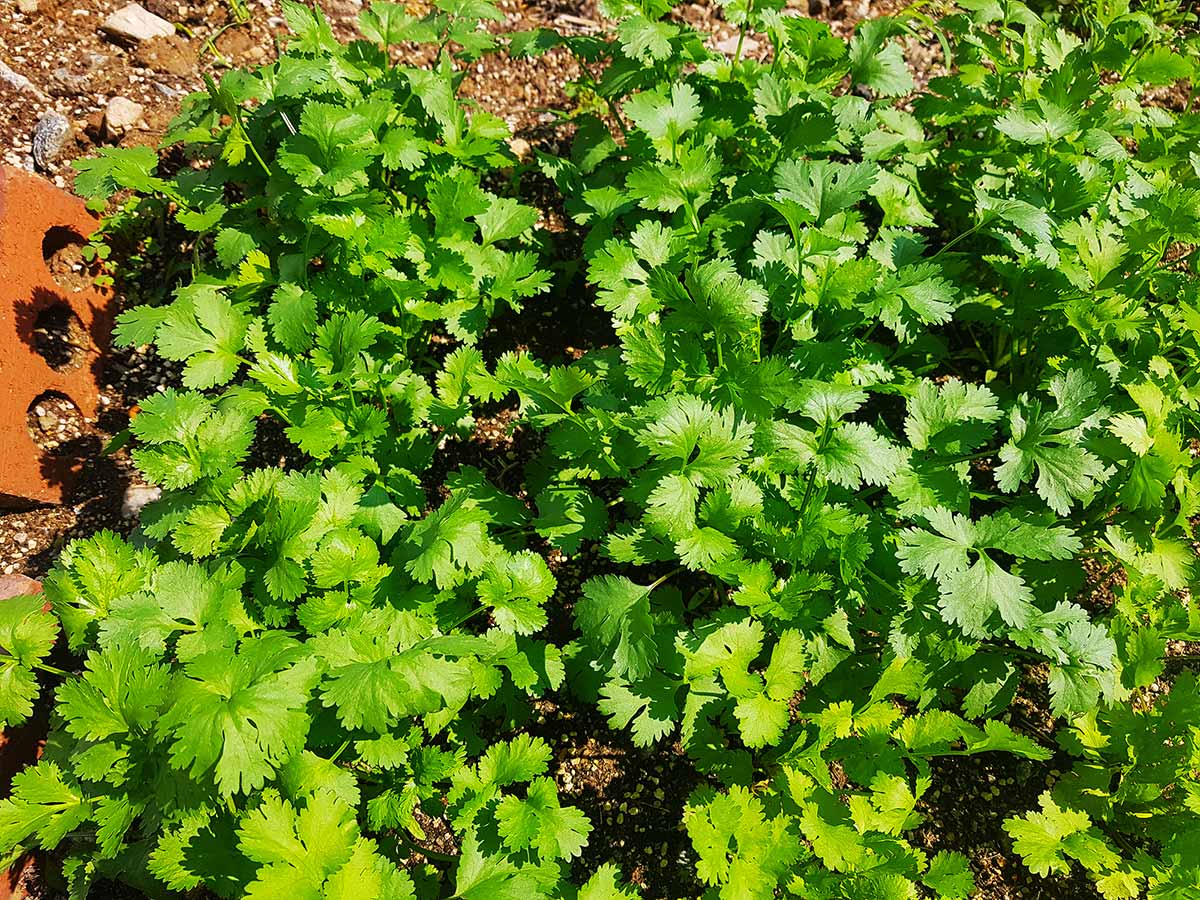
Coriander—often referred to as cilantro in the Americas—is a staple in many global cuisines, but in my home country of South Korea, it is arguably the most polarizing herb you can find. While the rest of the world enjoys it in tacos and curries, a vast number of Koreans will swear its strong, distinct aroma tastes exactly like dish soap or shampoo. However, there is a dedicated minority who absolutely love it, and I count myself among them.
About 20 years ago, I backpacked across China from east to west. Without any prior knowledge of the local cuisine, I encountered coriander for the first time and honestly thought they had cooked my food in dishwater. But after forcing myself to eat it out of sheer necessity, I eventually became accustomed to it. Before I knew it, I was completely hooked on its unique flavor.
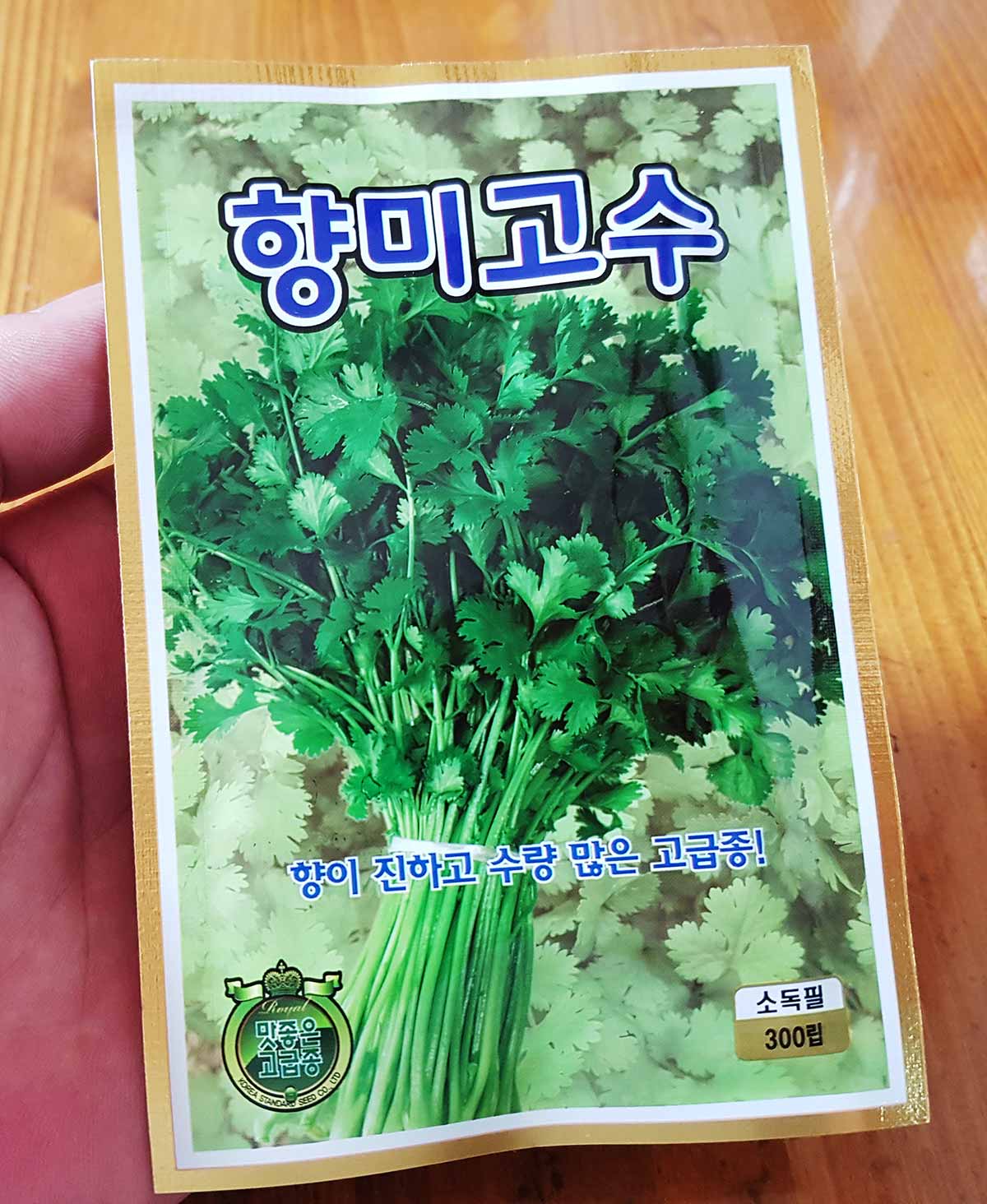
Since I started backyard gardening, growing coriander has become an annual routine. While you can easily buy it at a supermarket off-season, the aldehydes responsible for its signature scent are highly volatile. Store-bought coriander simply lacks the punch of leaves picked straight from the soil.
Sowing the Seeds: Timing and Technique
In regions with climates similar to the northern parts of South Korea, the ideal time for outdoor sowing is typically between April and May. I used a simple row sowing method for this batch.
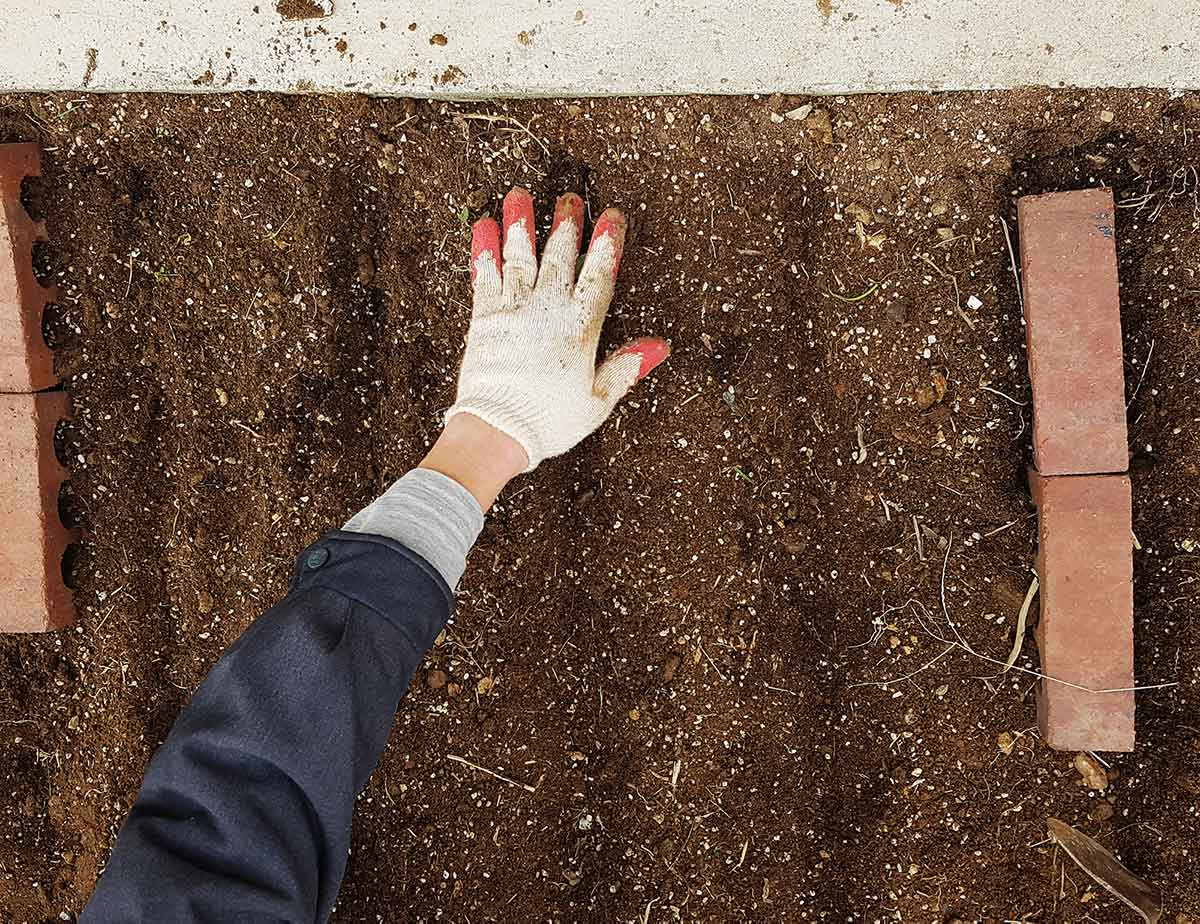
First, I made shallow furrows about 0.5cm deep, spaced 15cm apart.
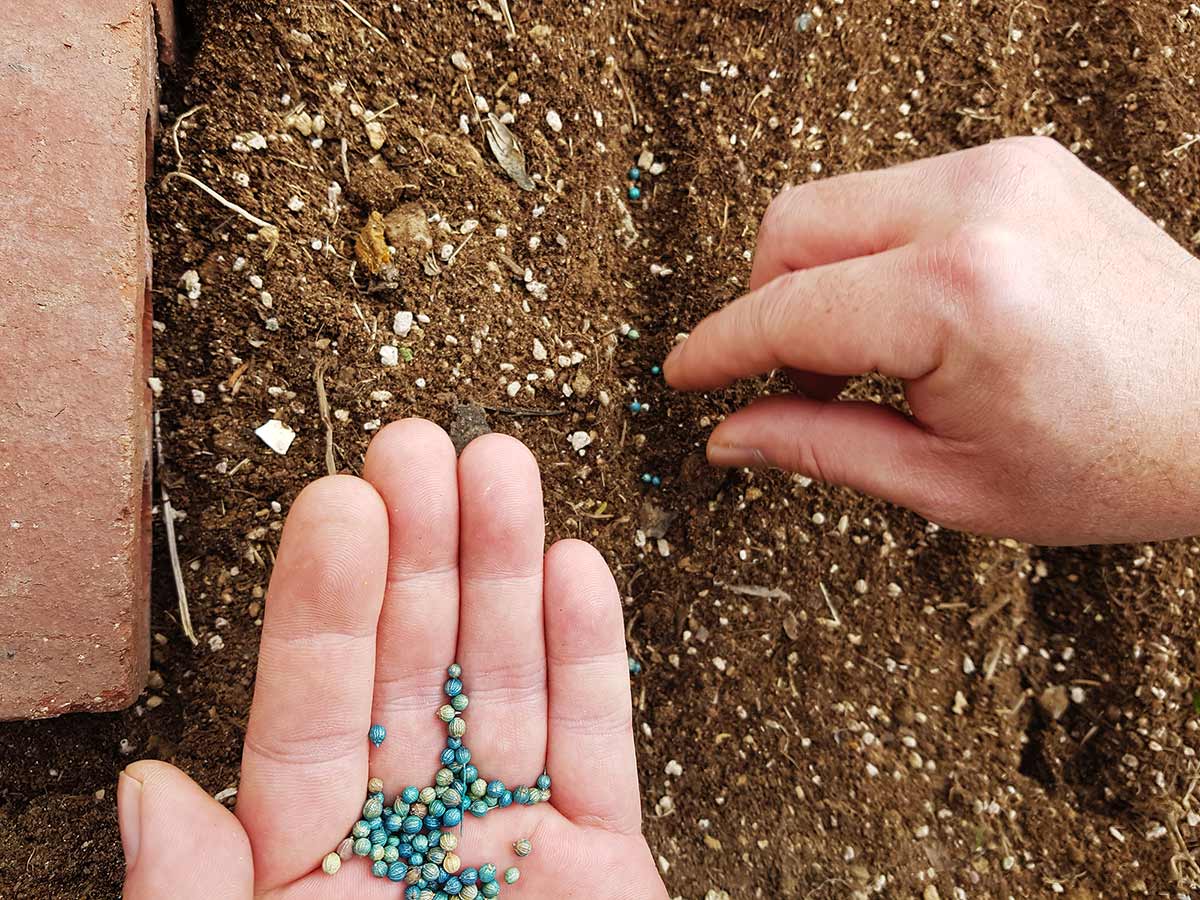
Next, I sparsely dropped the seeds along the furrows. A quick botanical note: what we commonly call coriander “seeds” are actually small, round fruits (schizocarps) about the size of peppercorns, and each contains two true seeds inside.
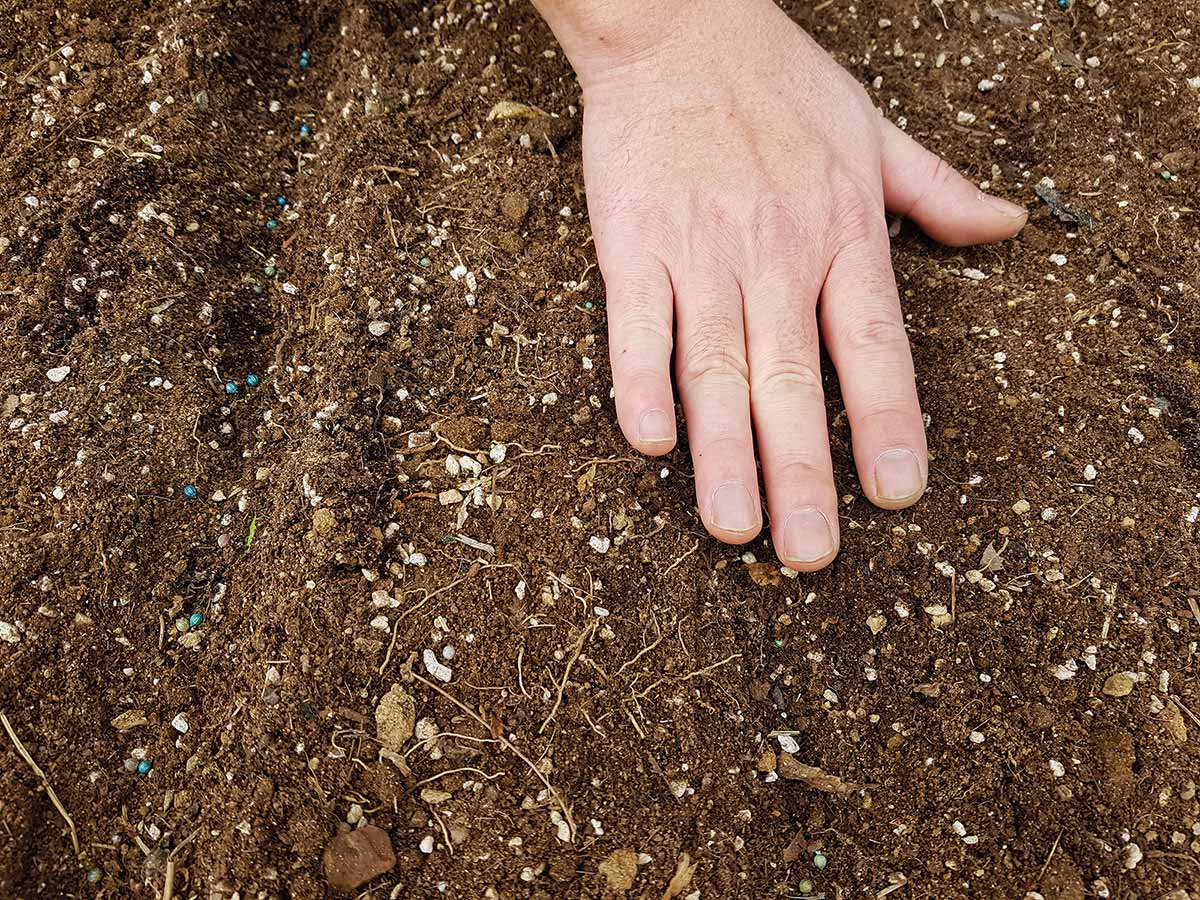
Finally, I covered them with soil. After a thorough watering, the initial work was done. The most critical factor from this point on is moisture management. Because you are planting the entire fruit rather than bare seeds, letting the outer shell dry out—especially when direct sowing outdoors—can severely hinder germination.
The Waiting Game and Growth Process
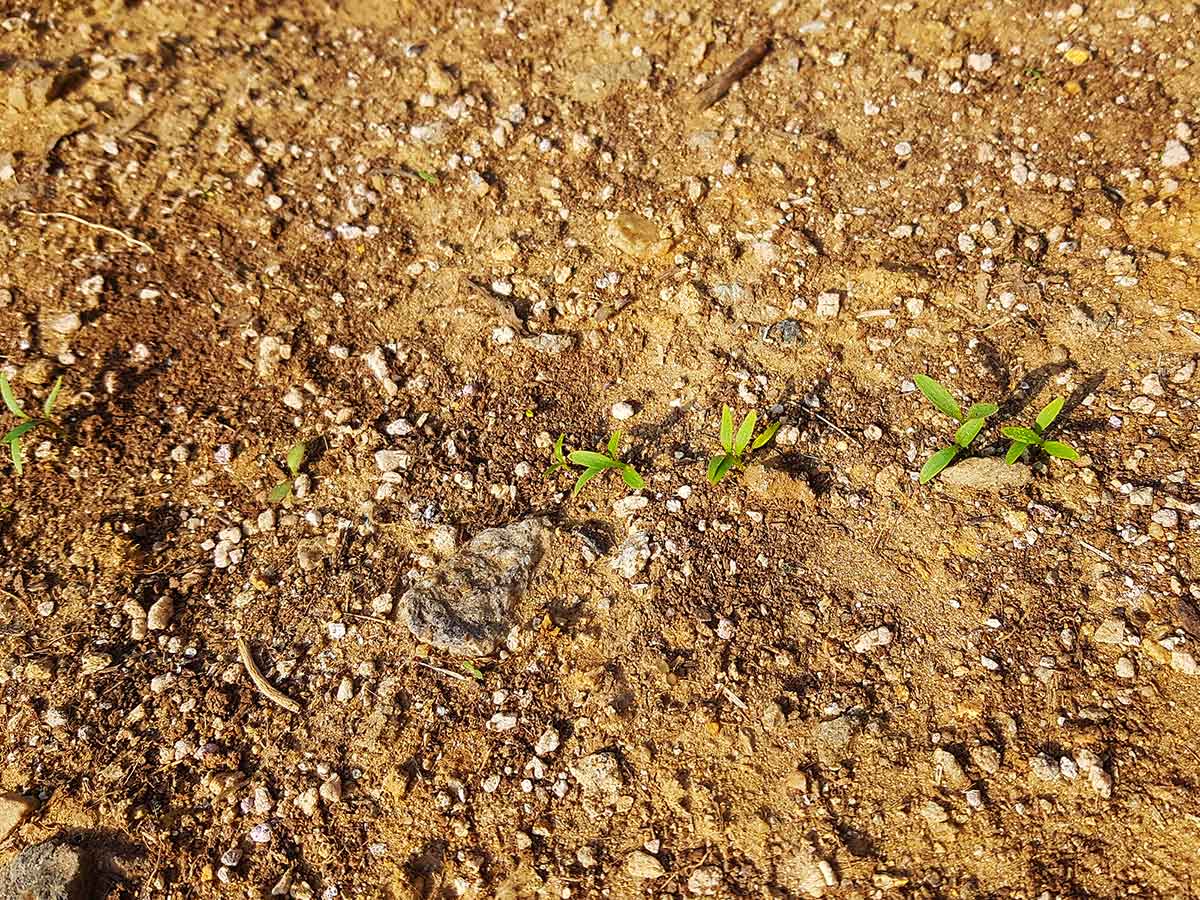
Day 19: It took about 17 to 19 days for the first sprouts to emerge. When direct sowing outdoors, coriander takes a bit longer to germinate compared to other crops, typically requiring 2 to 3 weeks at ideal temperatures around 15–20°C.
Once they sprout, maintenance is practically effortless. They require minimal top dressing and consistent watering. Best of all, there are absolutely zero pest issues. In all my years of gardening, I haven’t seen a single bug try to eat my coriander. It makes me wonder—am I eating something that even wild animals refuse to touch?
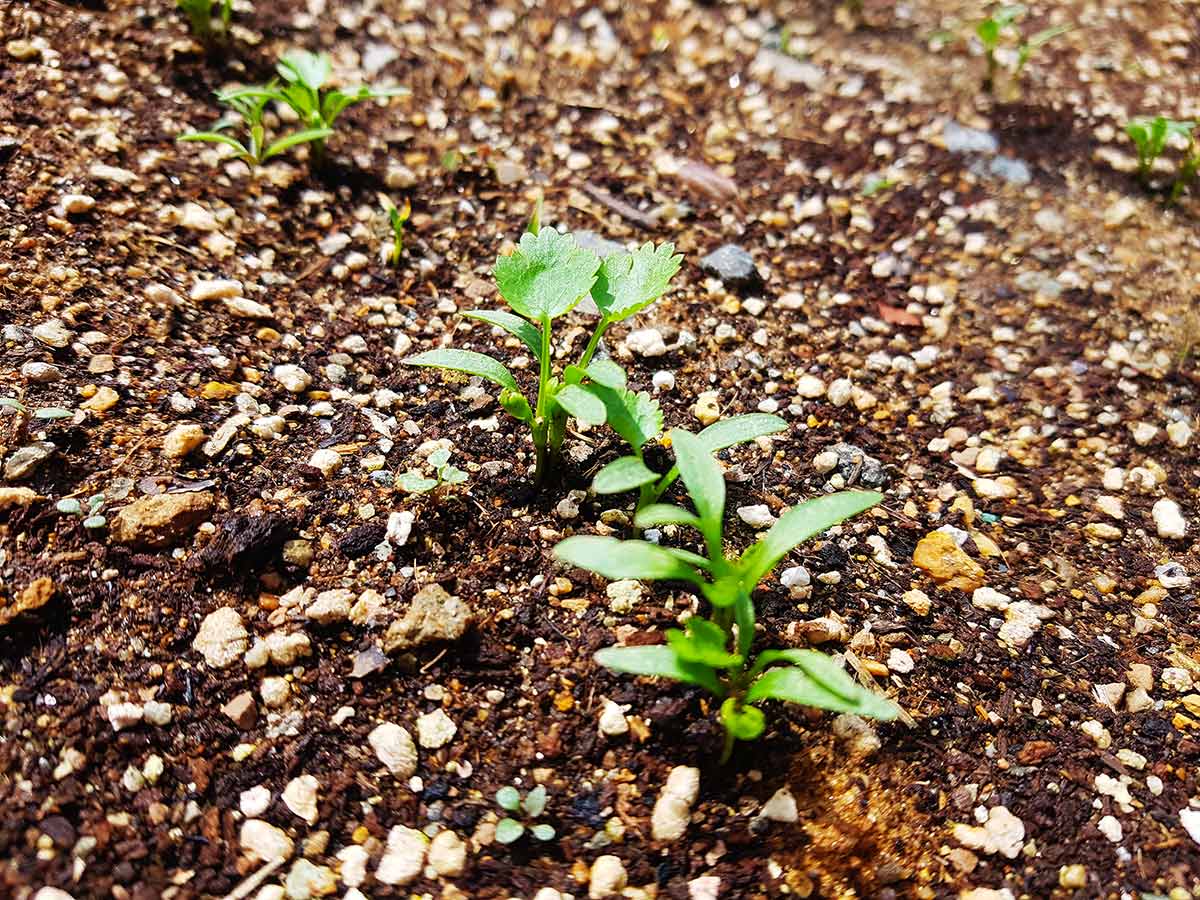
Day 26: The true leaves finally began to show, giving them that distinct, recognizable coriander look.
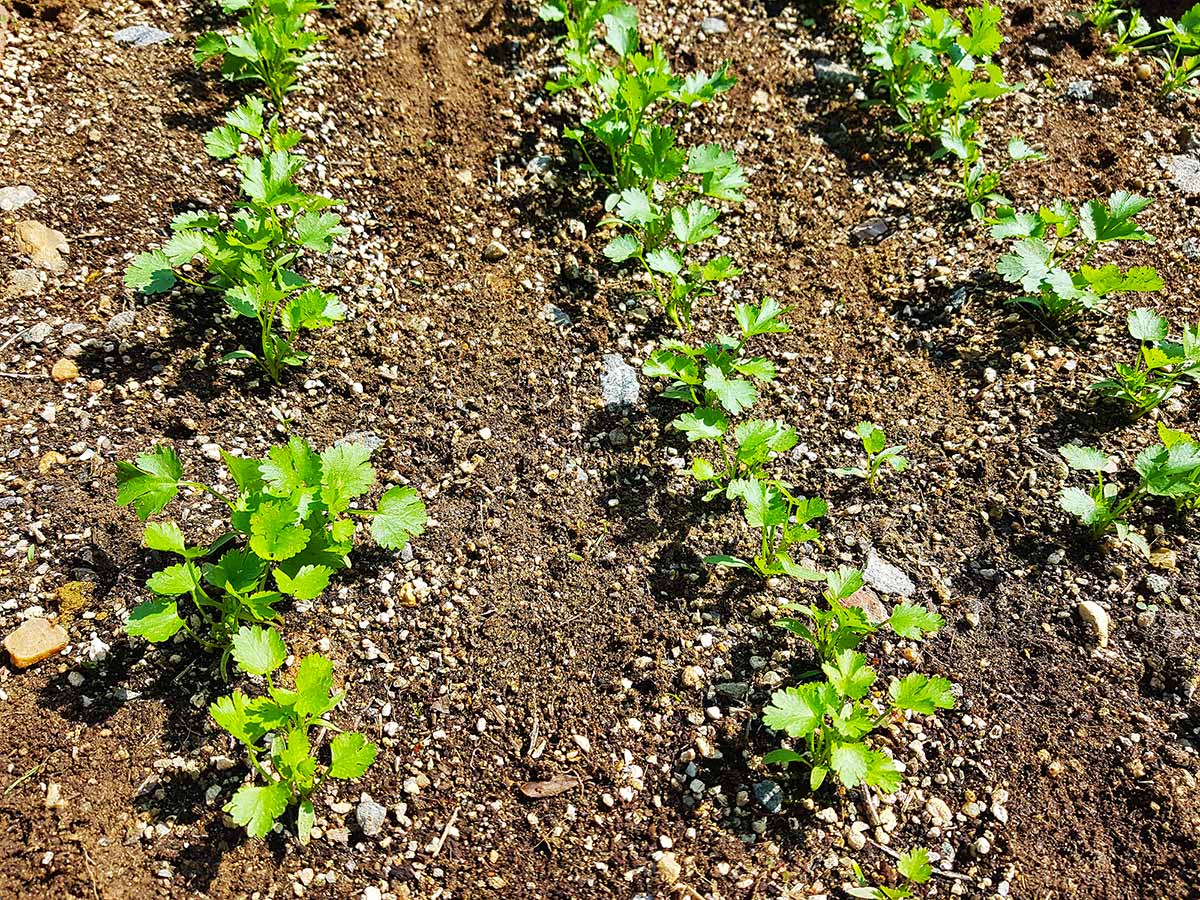
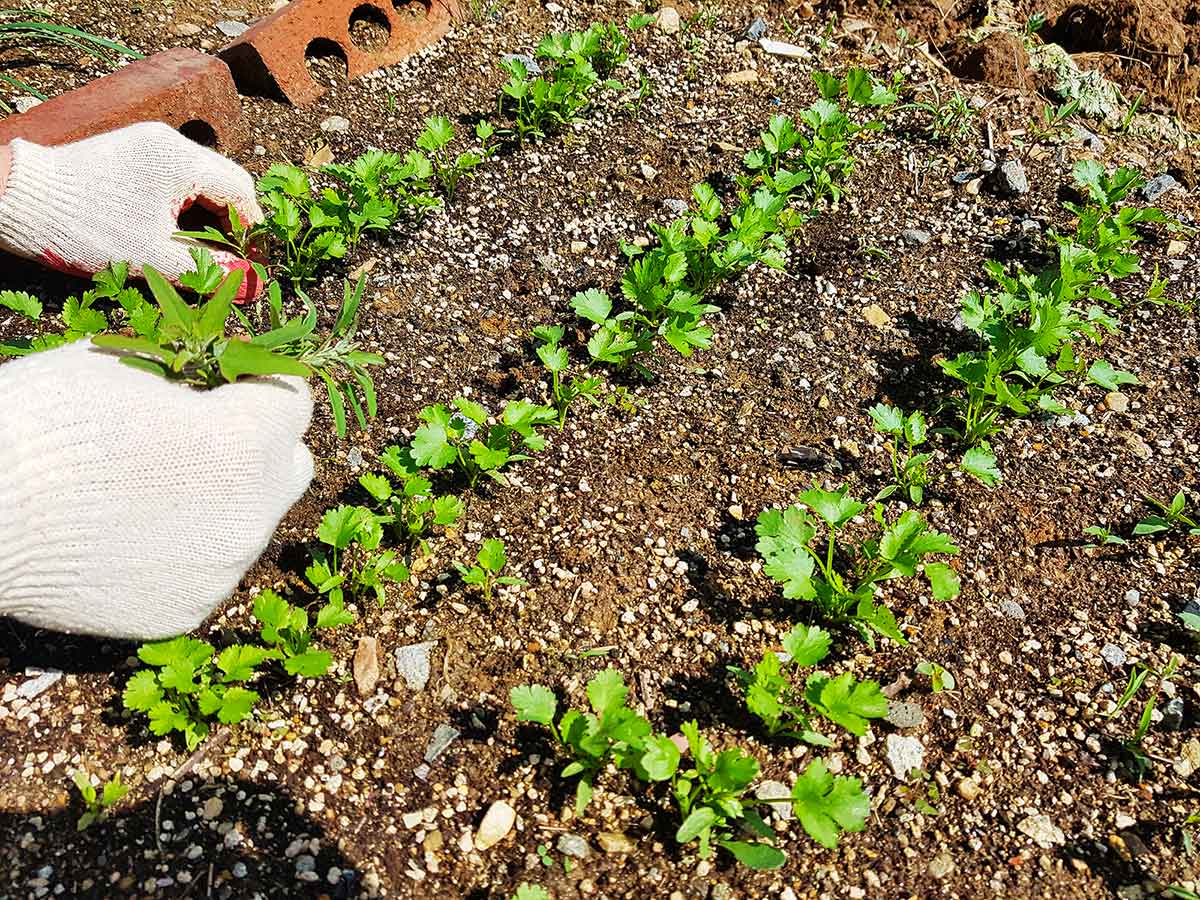
Day 34: As the plants grew thicker, I had to deal with a few annoying weeds like fat hen and smartweed that had sprouted alongside them. I took the time to clear them out by hand and applied a small amount of fertilizer in the empty spaces between the rows to boost their growth.
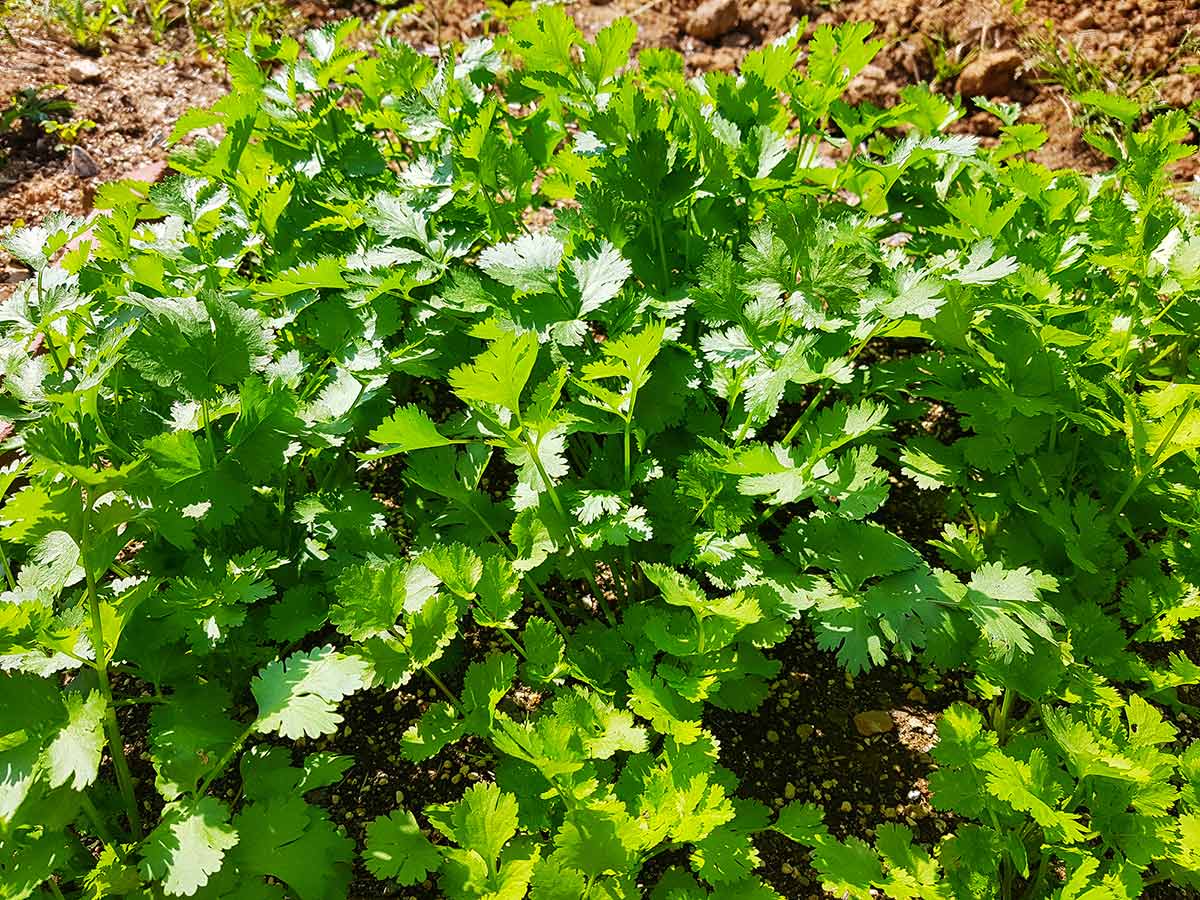
Day 50: Following a few days of continuous rain, the plants experienced a sudden growth spurt, reaching nearly 20cm in height. It was finally time for the harvest. (Typically, coriander is ready to harvest 50 to 60 days after sowing.)
Harvesting for Maximum Yield
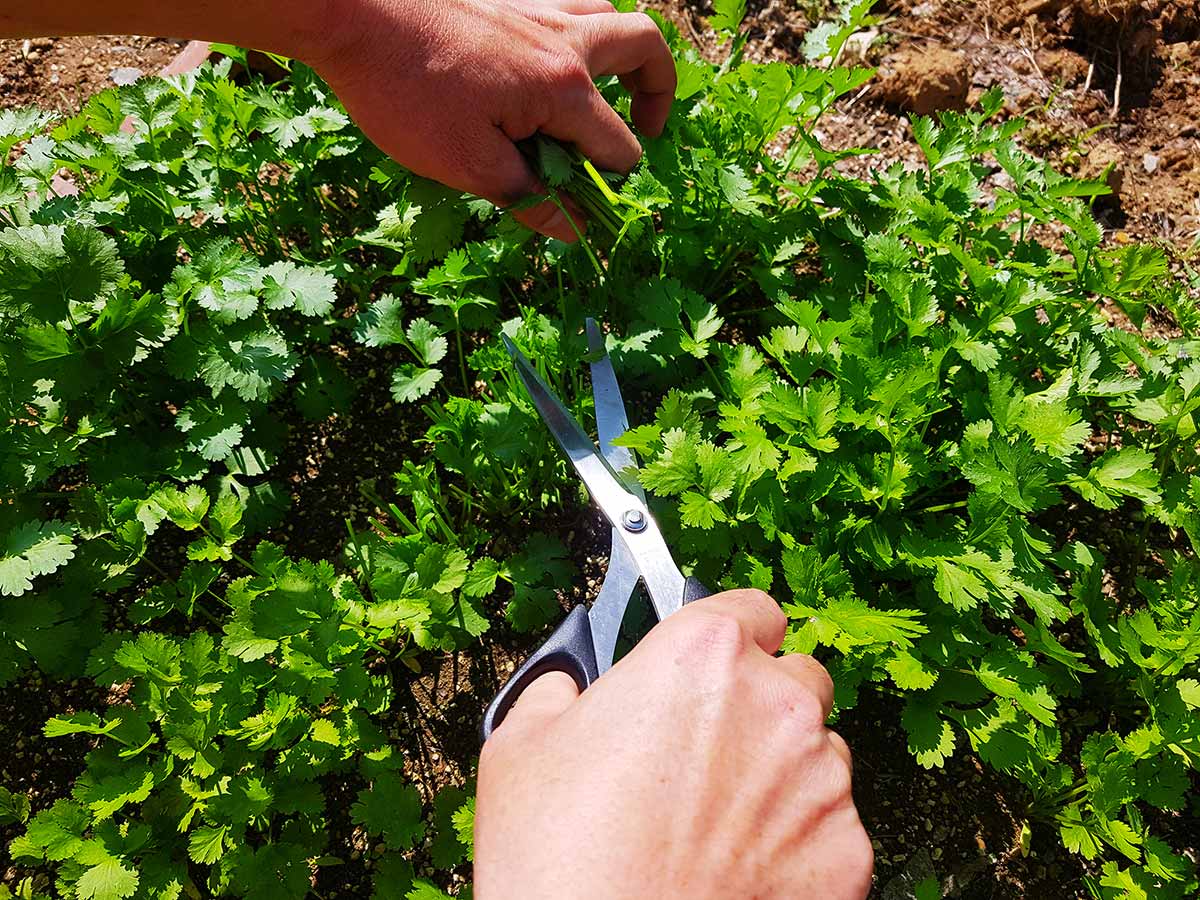
While you can pull the entire plant out by the roots like they do in the markets, I highly recommend cutting only the top two-thirds of the fully grown stems. This allows new leaves to continue growing from the base, giving you multiple harvests from a single plant.
As soon as the stems are cut, the highly volatile aldehydes are released, filling the air with an incredibly rich aroma that store-bought herbs could never replicate.
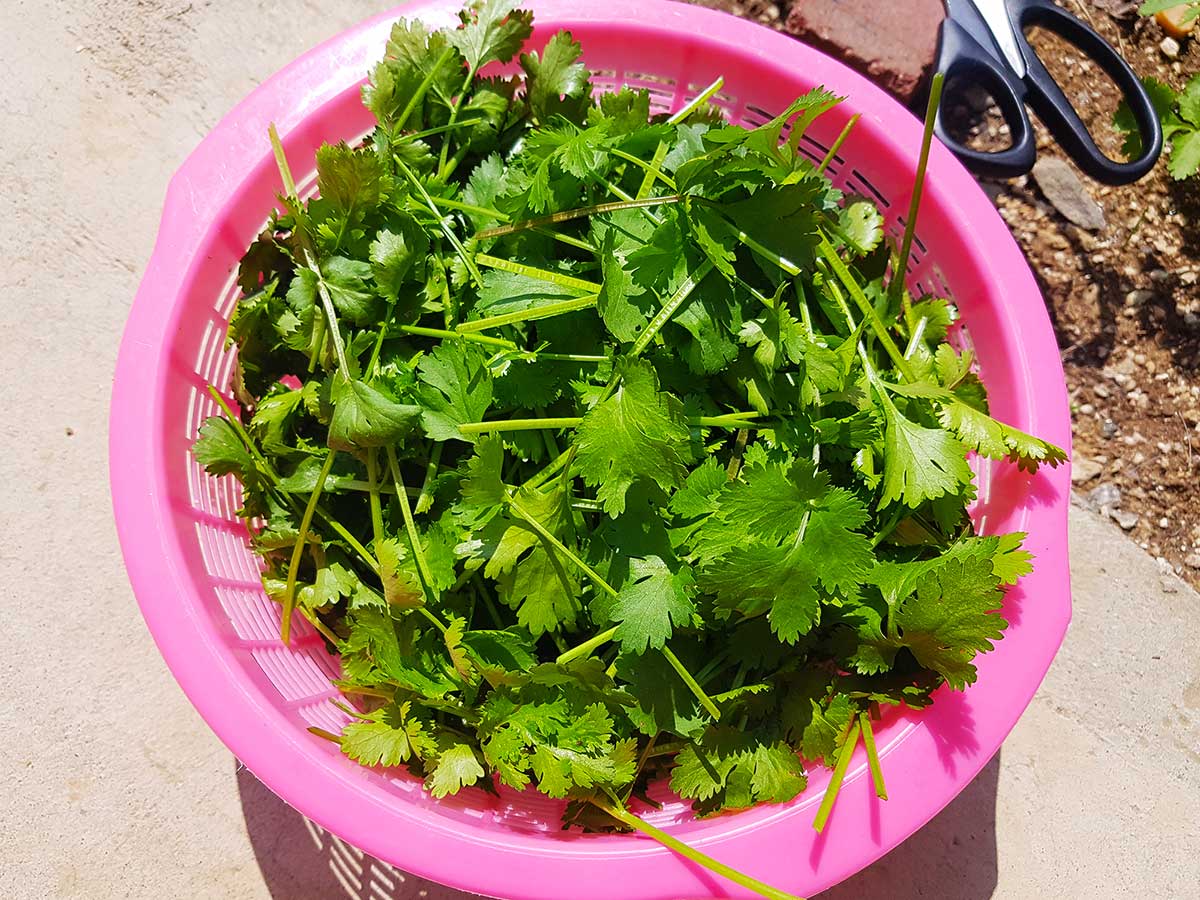
Even for the first harvest of the season, it yielded enough to fill a small basket.
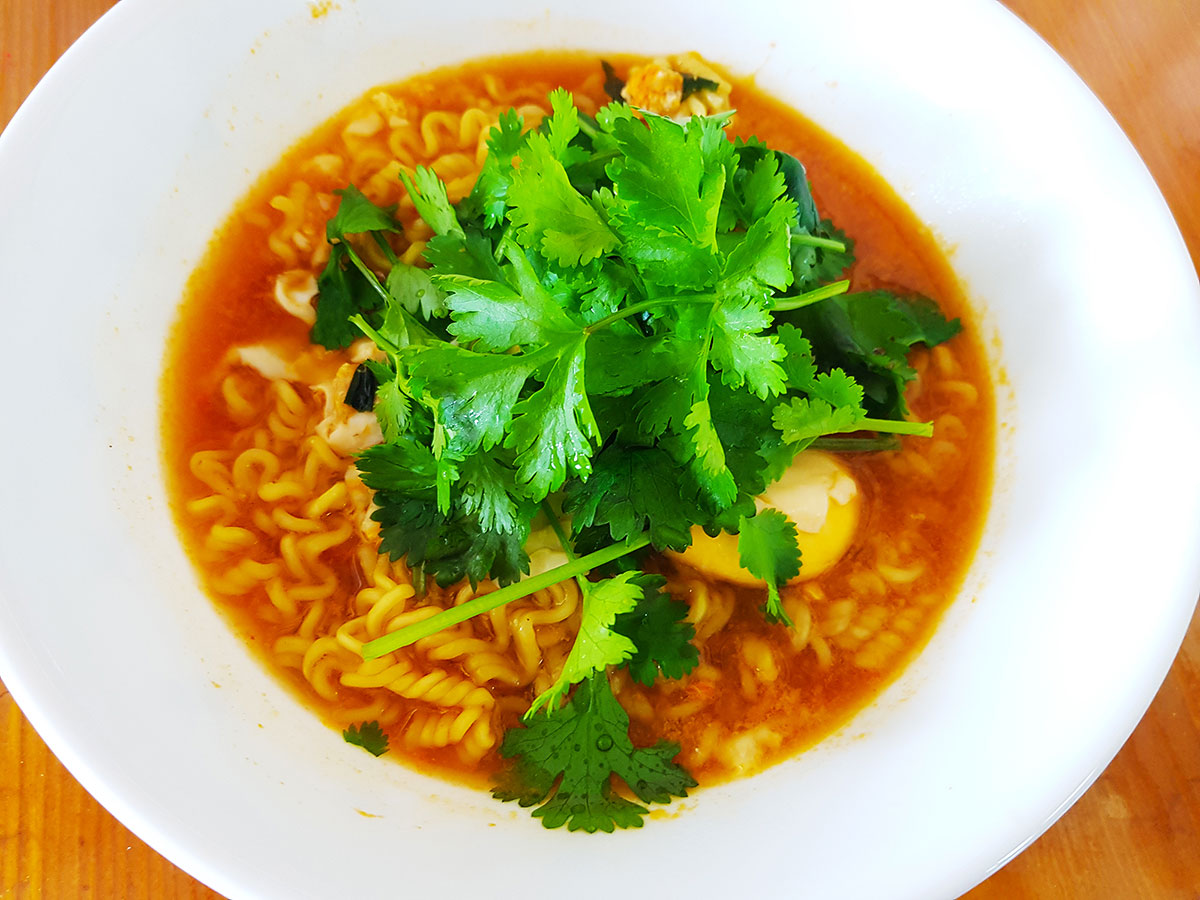
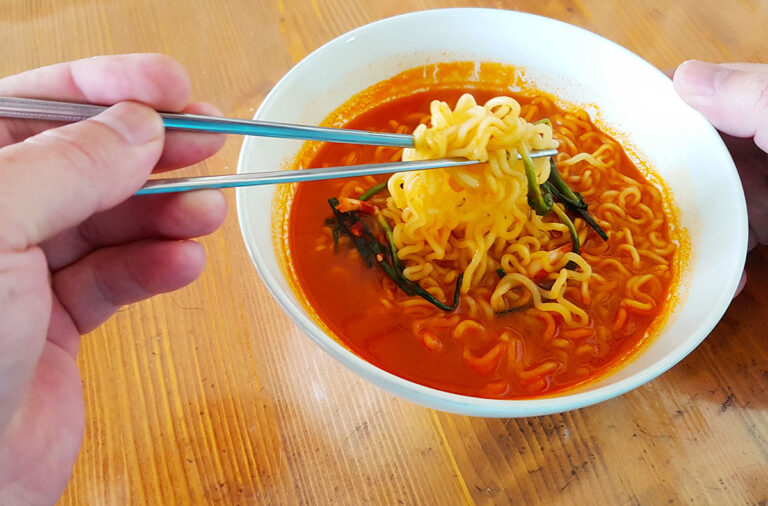
I use coriander in everything from pho and steamed fish to hot pot, and sometimes I even eat it raw in lettuce wraps. But for this year’s first harvest, I kept it simple and tossed it straight into a bowl of instant ramen. There will be plenty more to harvest in the coming weeks, so there is no rush for complex recipes.
Growing your own food is entirely worth it just for this flavor.