Why Custom? When Off-the-Shelf Parts Just Don’t Fit
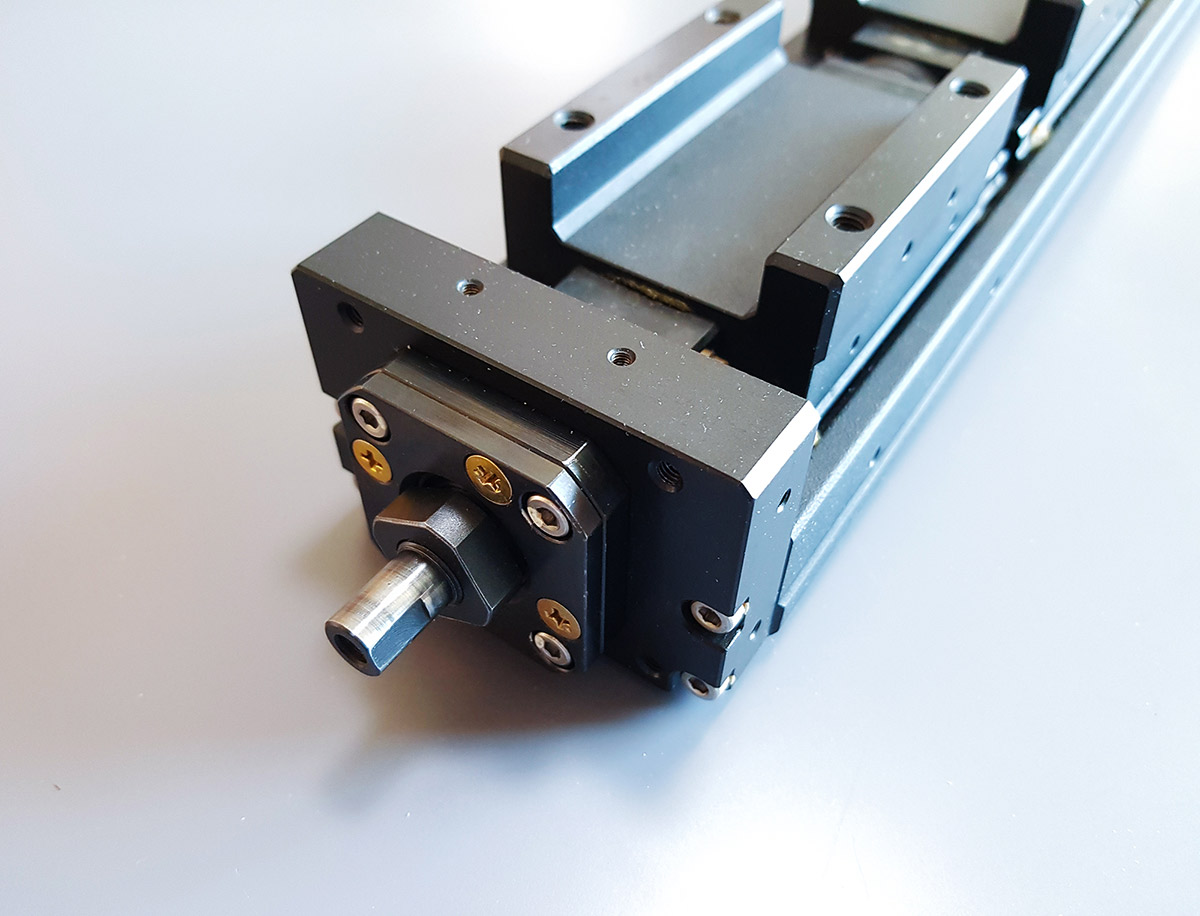
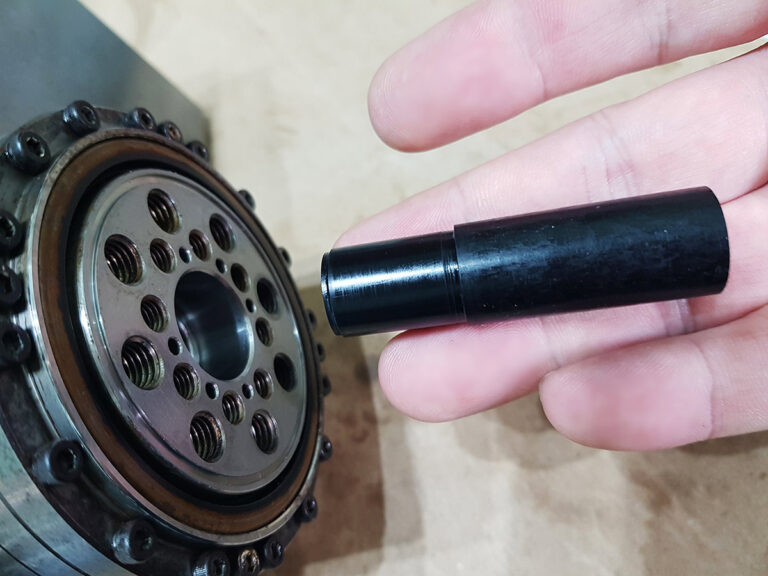
Mounting brackets for motors or reducers are essential in automation, but making them from scratch is a tedious task. Usually, I’d prefer off-the-shelf parts to save time, but occasionally, the hardware leaves you with no choice. I was looking through some of my old project logs and found this one from a few years ago—an NSK actuator project that required a very specific mounting shape. Because of the protruding support unit, standard mounts were completely useless. I had to step up and machine a custom bracket from S45C steel myself.
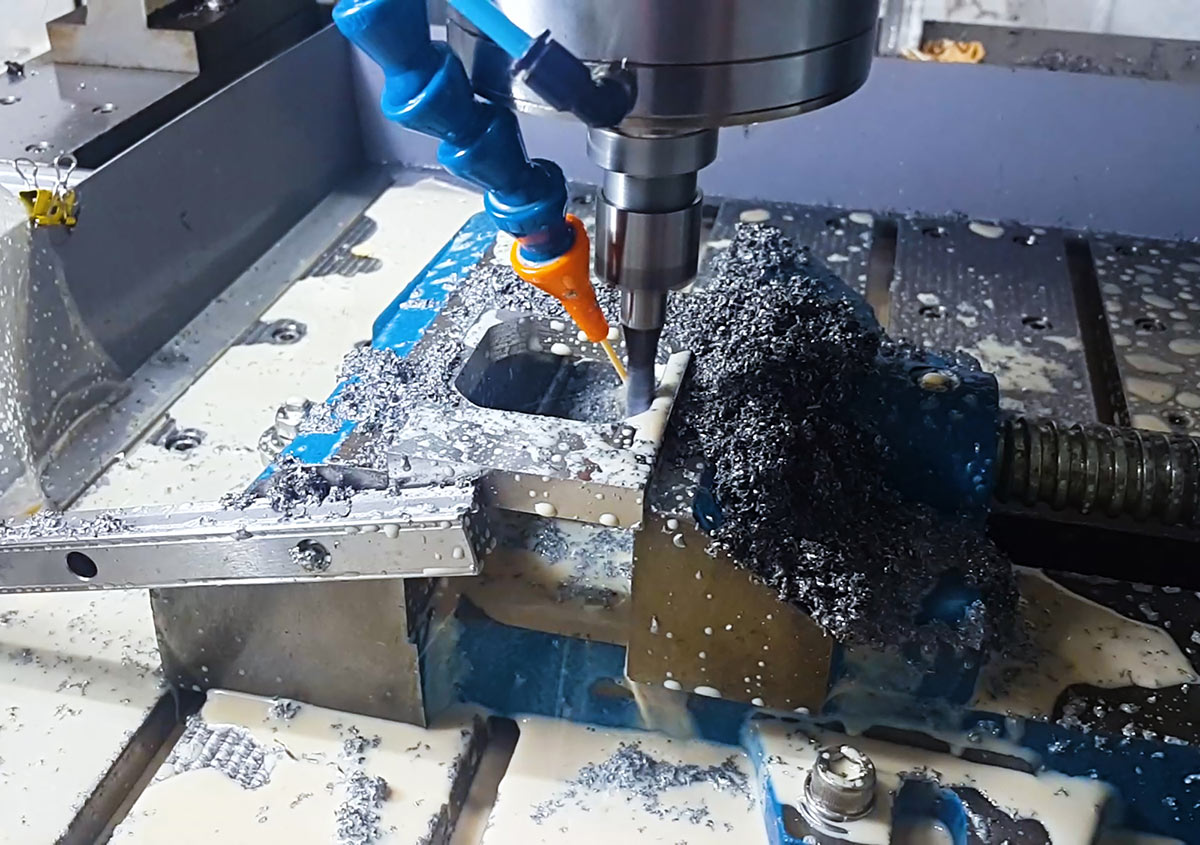
Dialing in the Feeds and Speeds for Steel
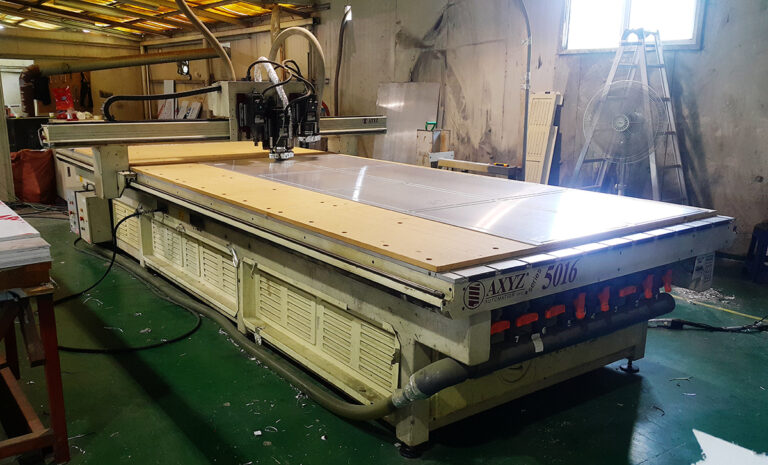
Machining steel on a homemade CNC is all about respecting your machine’s rigidity. The conditions vary depending on the spindle capacity and tool choice, but for this specific S45C project, I used the following settings as a reliable baseline.
| Process | Tool | Spindle Speed | Feed Rate |
|---|---|---|---|
| Roughing | 7mm 4F Roughing Endmill (HSS) | 2,500 RPM | 160 mm/min |
| Finishing | 8mm 4F Flat Endmill (Carbide) | 1,600 RPM | 160 mm/min |
| Drilling/CB | Standard HSS Drill | 2,000 RPM | 20 mm/min |
Note: These values are reference points for my specific custom-built machine. Your mileage will vary depending on your setup’s rigidity.
The Pursuit of 0.04mm: Precision and the Maker’s High
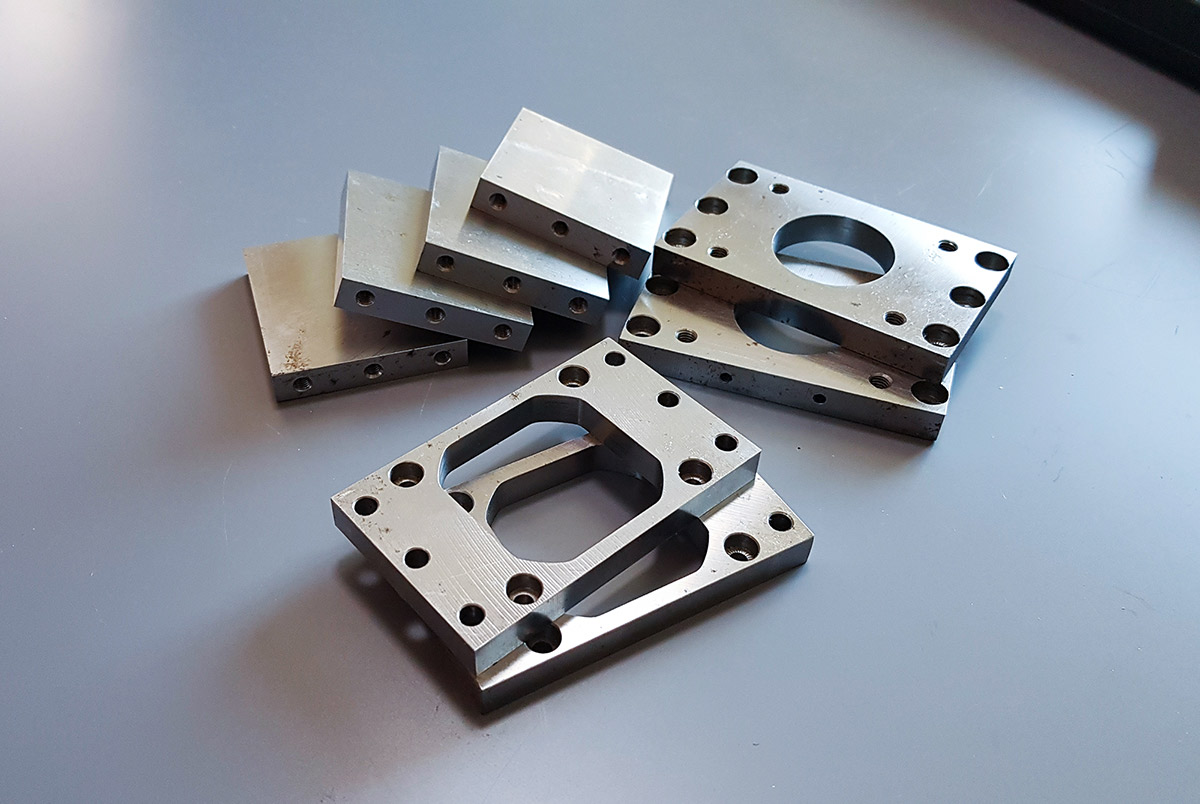
After the machining was done, it was time for a reality check with my digital calipers. The outer dimension of the actuator support unit measured roughly 53.96mm. I had designed the internal mating surface of the mount to be exactly 54mm.
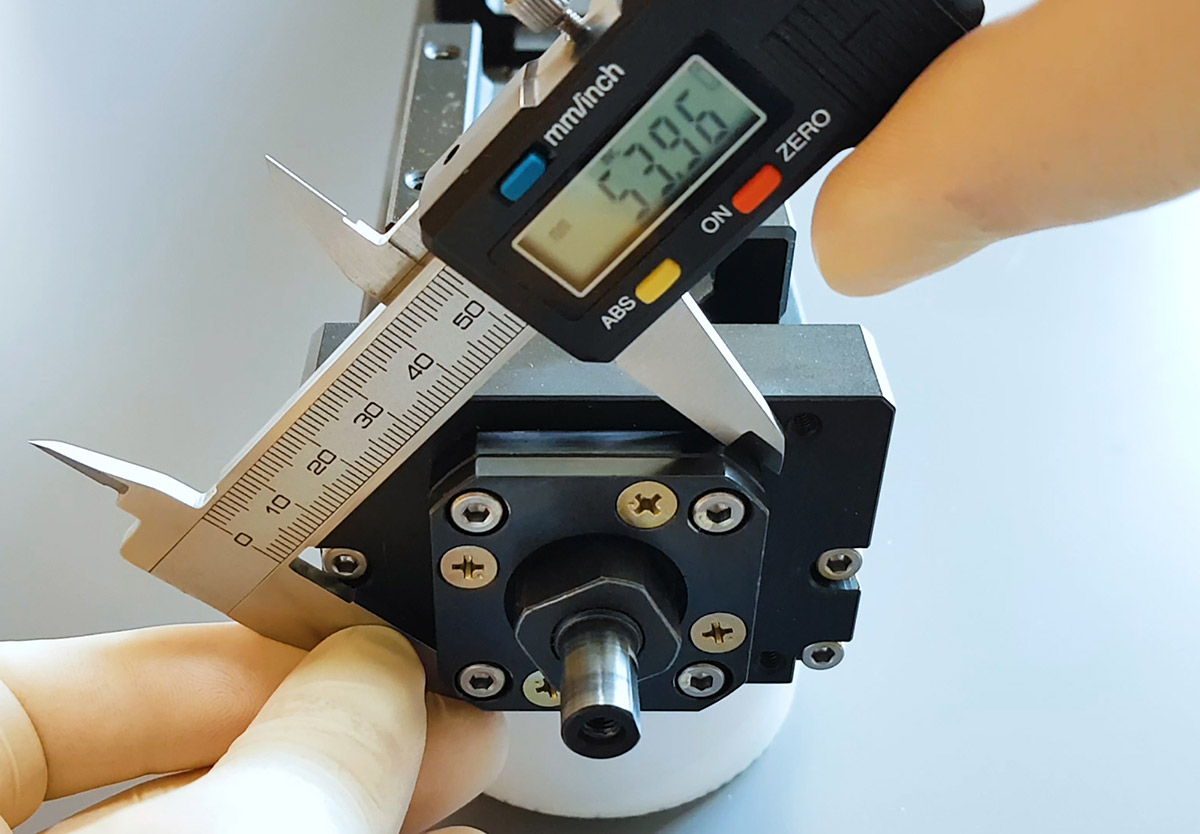
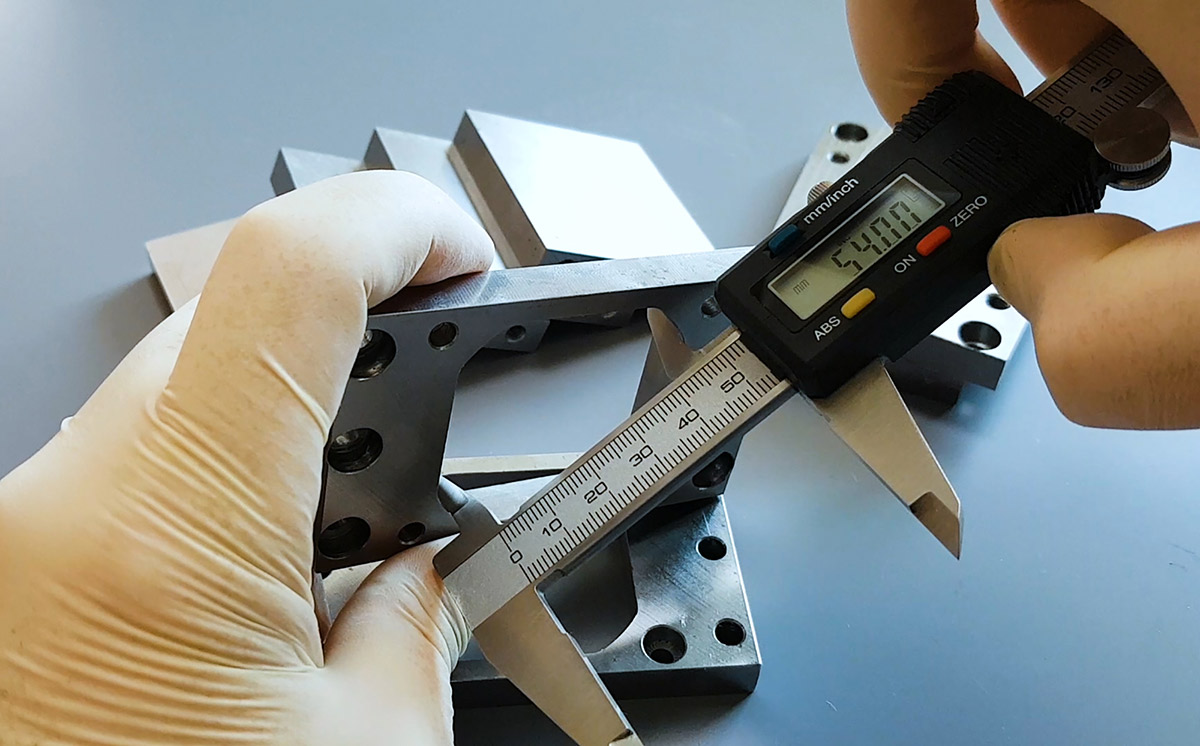
This resulted in a fit clearance of approximately 0.04mm. When the two parts slid together with just the right amount of resistance—neither too tight nor too loose—it provided that inexplicable sense of euphoria that only a technician can truly appreciate.
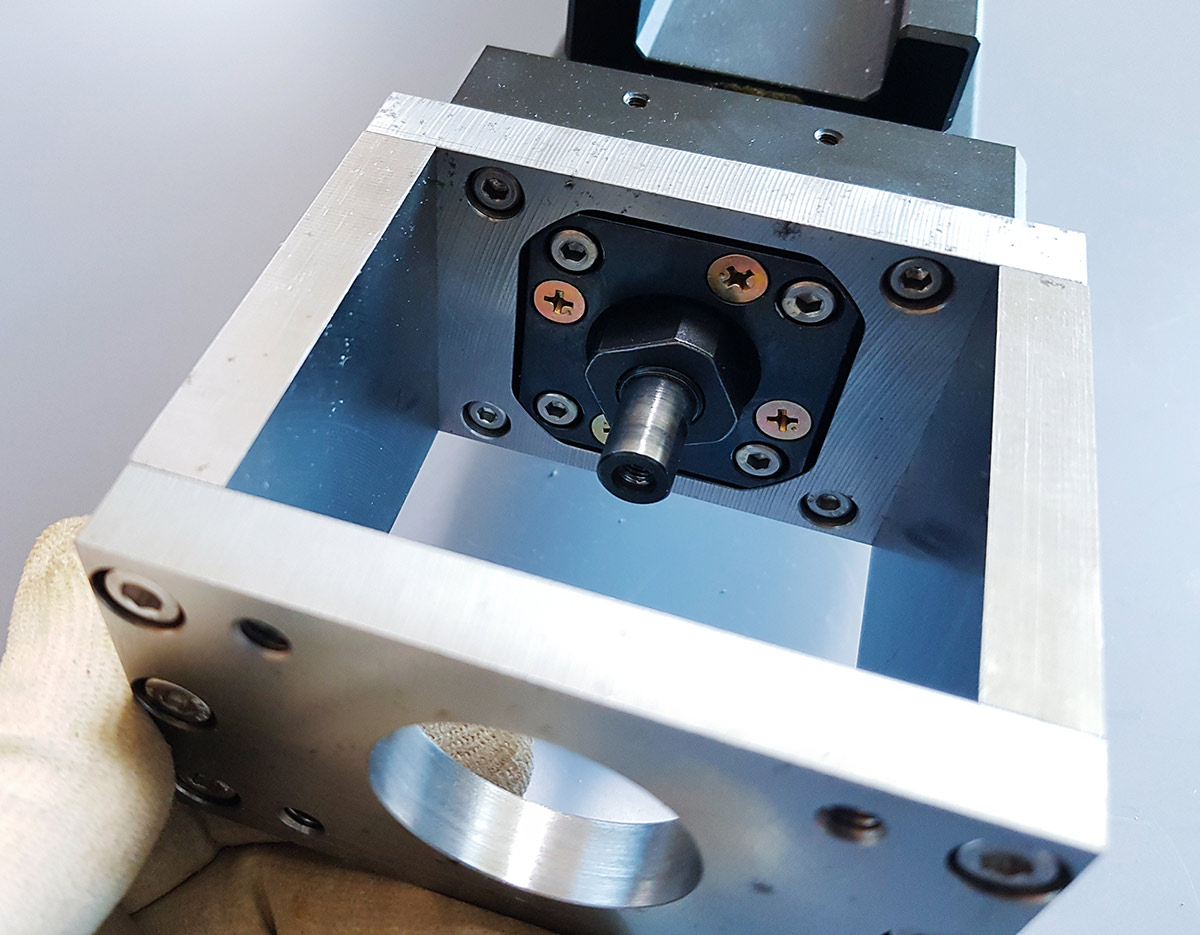
The Build Process: Machining to Assembly
I’ve condensed the entire workflow—from the initial S45C block to the final bolt-on—into the short video log below. It serves as visual evidence of the machine’s stability and the resulting precision of the final parts.
Conclusion: Success in Steel
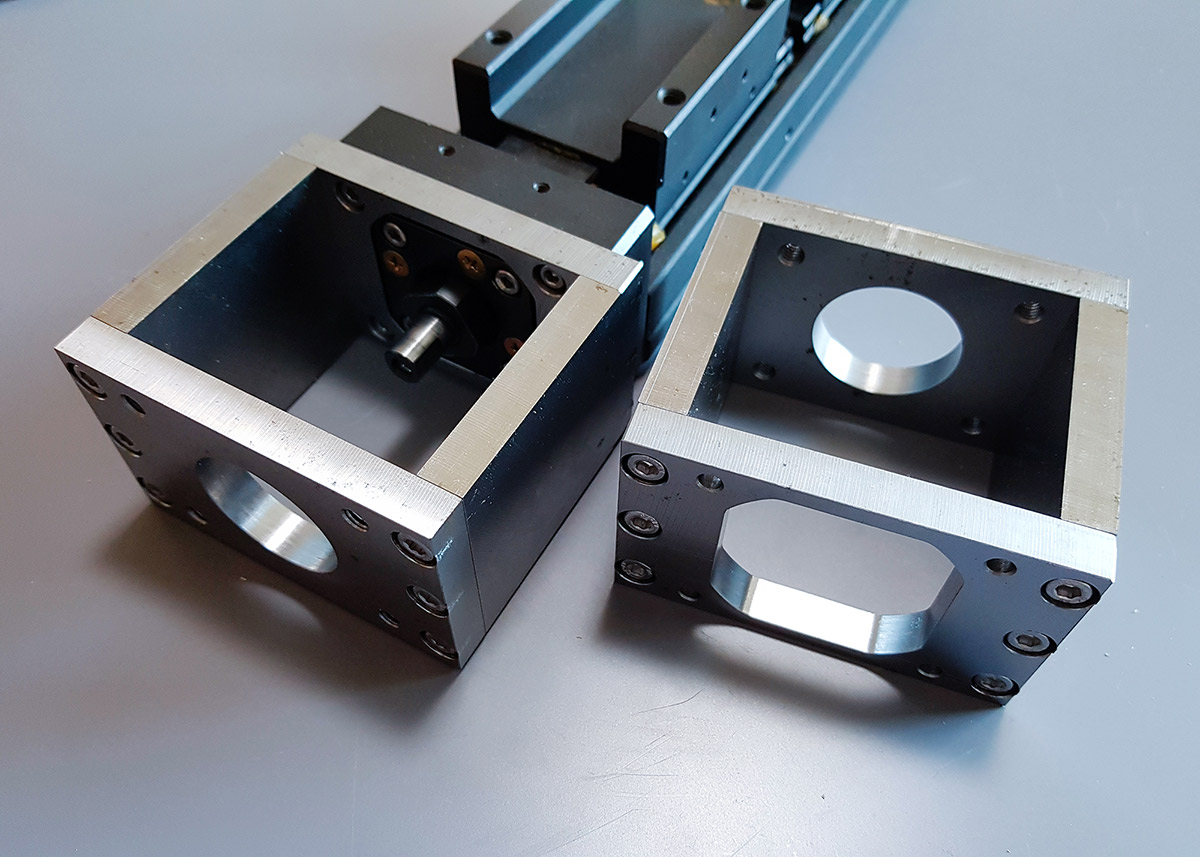
Seeing the final assembly mounted on the actuator confirmed that the effort was worth it. Machining steel on a custom-built router is a true testament to the machine’s build quality. While life doesn’t always click into place as perfectly as these parts, a successful day in the shop is enough to keep me moving forward.
I hope this was helpful to those who need it.